Building Envelope Design Resources
Whole Building Design Guide
Whole Building Design Guide
Whole Building Design Guide
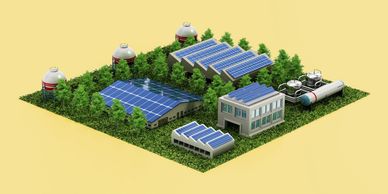
Passive House
Whole Building Design Guide
Whole Building Design Guide
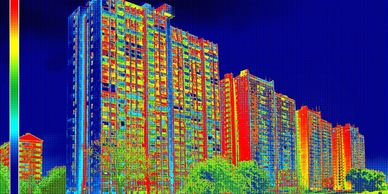
Green Building Advisor
Whole Building Design Guide
Green Building Advisor

AIA Design Excellence
Building Green: Envelope
Green Building Advisor

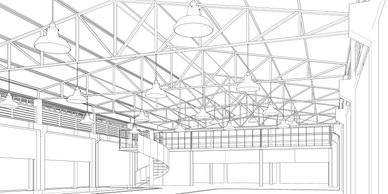
Building Green: Envelope
Building Green: Envelope
Building Green: Envelope

Envelope Continuity & Performance Considerations

Thermal Bridging
Thermal bridging occurs when highly conductive materials—like steel, concrete, or poorly detailed connections—allow heat to bypass the insulation layer. For architects, this means localized heat loss, condensation risk, and reduced envelope performance unless details are carefully modeled and mitigated.
Thermal Breaks
Thermal breaks are low‑conductivity materials or assemblies inserted to interrupt heat flow across structural or façade components. They allow architects to maintain structural continuity while preserving the integrity of the thermal barrier and preventing cold‑spot condensation.
Air Barriers
Air barriers control unintended air movement through the building enclosure, reducing heat loss, moisture transport, and pressure‑driven infiltration. Architects must ensure they are continuous across all assemblies and transitions, with careful detailing at penetrations, joints, and structural interfaces.
Weather Barriers (Water‑Resistive Barriers / WRBs)
Weather barriers protect the enclosure from bulk water intrusion while allowing assemblies to dry appropriately based on climate and material selection. Their performance depends on proper integration with flashings, openings, and drainage pathways to prevent moisture accumulation within the wall system.